
Evangelism in Post- and Pre-Christian Britain
The UK context is a mix of those who have turned away from Christianity and who have little knowledge of it at all. Church leaders need to understand this context to preach the gospel effectively and to train their congregations to do the same.

Whilst the gospel itself is unchanging, the questions that people ask, the objections they have to Christianity, and the prejudices they hold against it vary by time and place.
This means that evangelistic techniques and arguments that worked well in the past may not resonate in the present. Church leaders need to keep abreast of the current context so that they can preach the gospel in a way that connects and communicates, and so that they can train their congregations to do the same.
The current UK context is complex, a mix of both post- and pre- Christian.
Older generations - including Boomers, Gen X, and Millennials - have largely turned away from Christianity and either think that it has nothing to offer or is dangerously intolerant.
Younger generations – Gen Z or Gen Alpha, born since 1997 - have grown up with very little knowledge of Christianity at all, but seem to have a greater openness to religion, spirituality, and Christianity.
I have recently read four books that help us to engage this post- and pre-Christian context with the gospel.
They could be given to interested seekers. But I would encourage church leaders to read them too so that they can be better equipped for the task of evangelism and can gain ideas as to how they can preach the gospel more effectively.
Book recommendations
Bullies and Saints: An Honest Look at the Good and Evil of Christian History
John Dickson
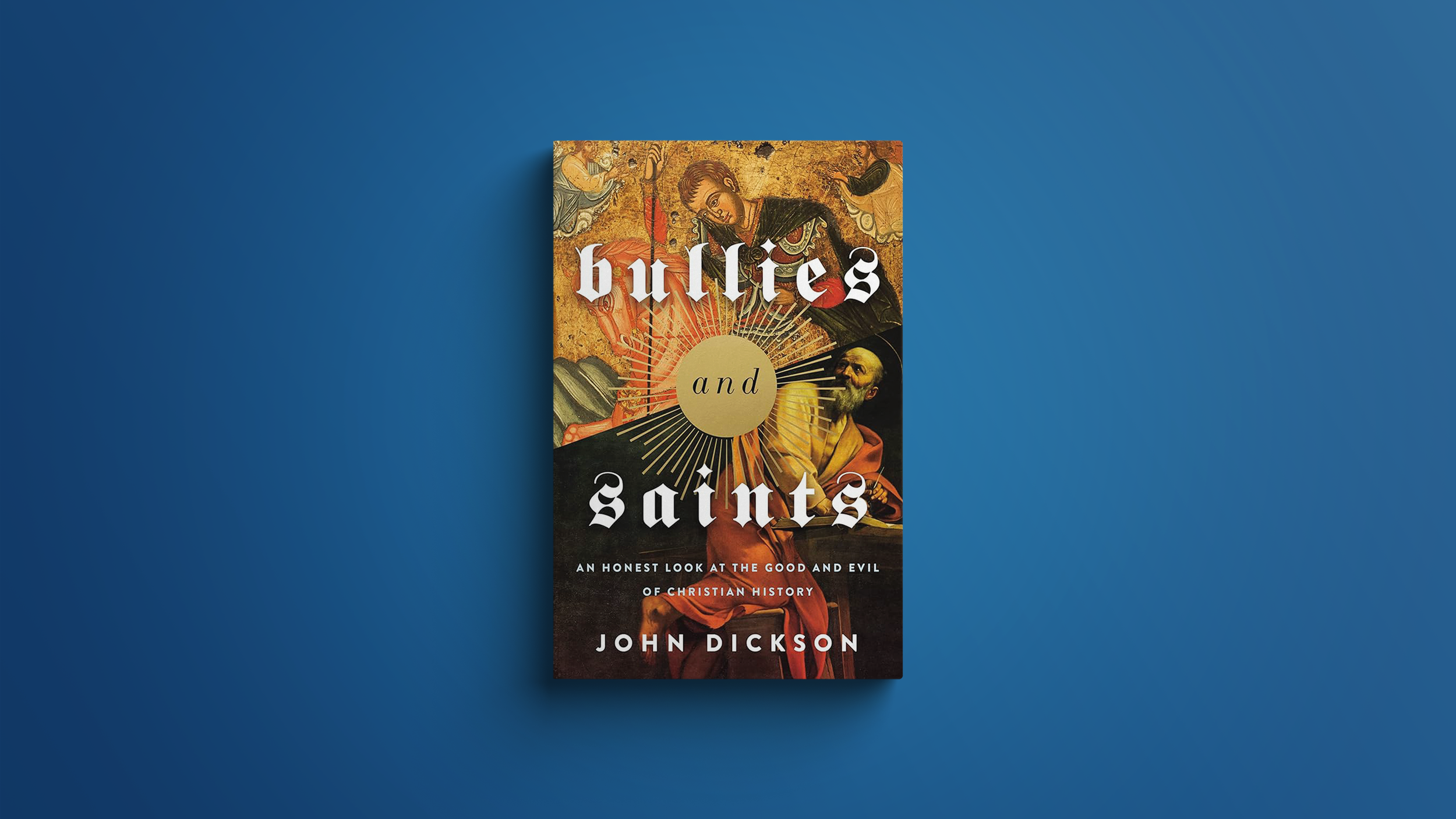
One of the most fruitful avenues of recent apologetics has been to show how many of the good aspects of our contemporary Western society are the result of the influence of Christianity.
Tom Holland has argued this from an agnostic perspective in his bestseller Dominion, whereas evangelist Glen Scrivener has done the same from an explicitly Christian position in his excellent book The Air We Breathe.
However, many unbelievers continue to be put off considering Christianity because of the undeniable failures of the Church over the centuries. This includes religious wars, intolerance, persecution of other religions, the Crusades, the Inquisition, and child sex abuse scandals.
Apologist and historian John Dickson tackles this head-on in his book Bullies and Saints. He does not minimise the failings of the Church and Christians but puts them in the wider historical context, showing that they were not a result of Christian teaching but a direct contravention of it.
In some cases, for example the Inquisition, the level of evil inflicted is often exaggerated, especially in comparison with other human rights abuses perpetrated in the name of atheism.
Dickson shows compellingly that, even as some within the Church were dishonouring their Lord by their wickedness, others were seeking to care for the sick and poor (establishing institutions like hospitals for the public good), or campaigning for religious freedom for all.
I was especially struck by how the Emperor Constantine instituted religious freedom, and not oppression, when he converted to Christianity.
This book will help Christians engage with these issues and give them a better understanding of the warts and all of church history. It will enable us to have a humble honesty about past failures, but also a confidence about the good that the church has done.
The Gospel After Christendom: An Introduction to Cultural Apologetics
Edited by Collin Hansen, Skyler R Flowers, and Ivan Mesa
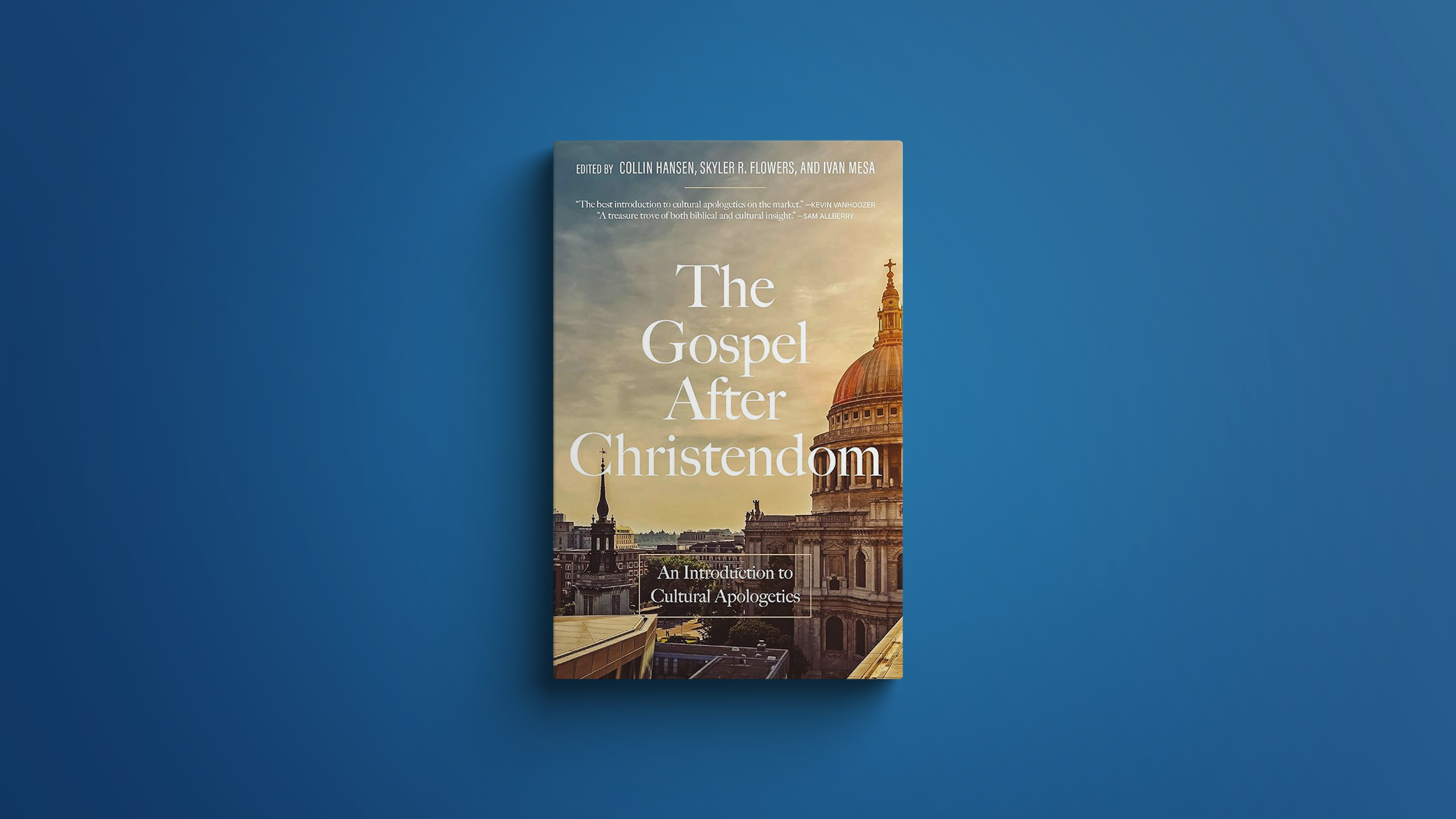
This multi-authored book from the fellows of the Keller Institute of The Gospel Coalition is an introduction to, and defence of, the use of ‘cultural apologetics’. It seeks to help Christians share the gospel in a culture in which Christianity is no longer assumed to be true, relevant, and good.
Cultural apologetics focuses on the goodness, truth, and beauty of Jesus, and showing how Jesus fulfils humanity's deepest longings for purpose and hope. This approach contrasts with an individualised personal evangelism that simply calls people to repent and believe in Jesus, which might have been appropriate when the majority of people were in some sense cultural Christians.
The book defends the use of cultural apologetics, demonstrating convincingly that it is nothing new but has a pedigree stretching back at least to Augustine. It rests heavily on the work of C S Lewis and Leslie Newbigin, highlighting the church community as an apologetic for the gospel in an unbelieving society.
Dan Strange makes the case for the ‘subversive fulfilment’ of society's longings in the gospel, which does not just accommodate the culture. Rebecca McLaughlin and Gavin Ortlund model how to address contemporary scepticism.
Whilst written by a range of scholars, the book is accessible and easy to read. It would be very helpful for pastors who may not be convinced by the value of cultural apologetics, or who would like to incorporate an element of cultural apologetics into their ministry.
The Road Back to God: Faith for Men Dissatisfied by the Modern World
Joe Barnard
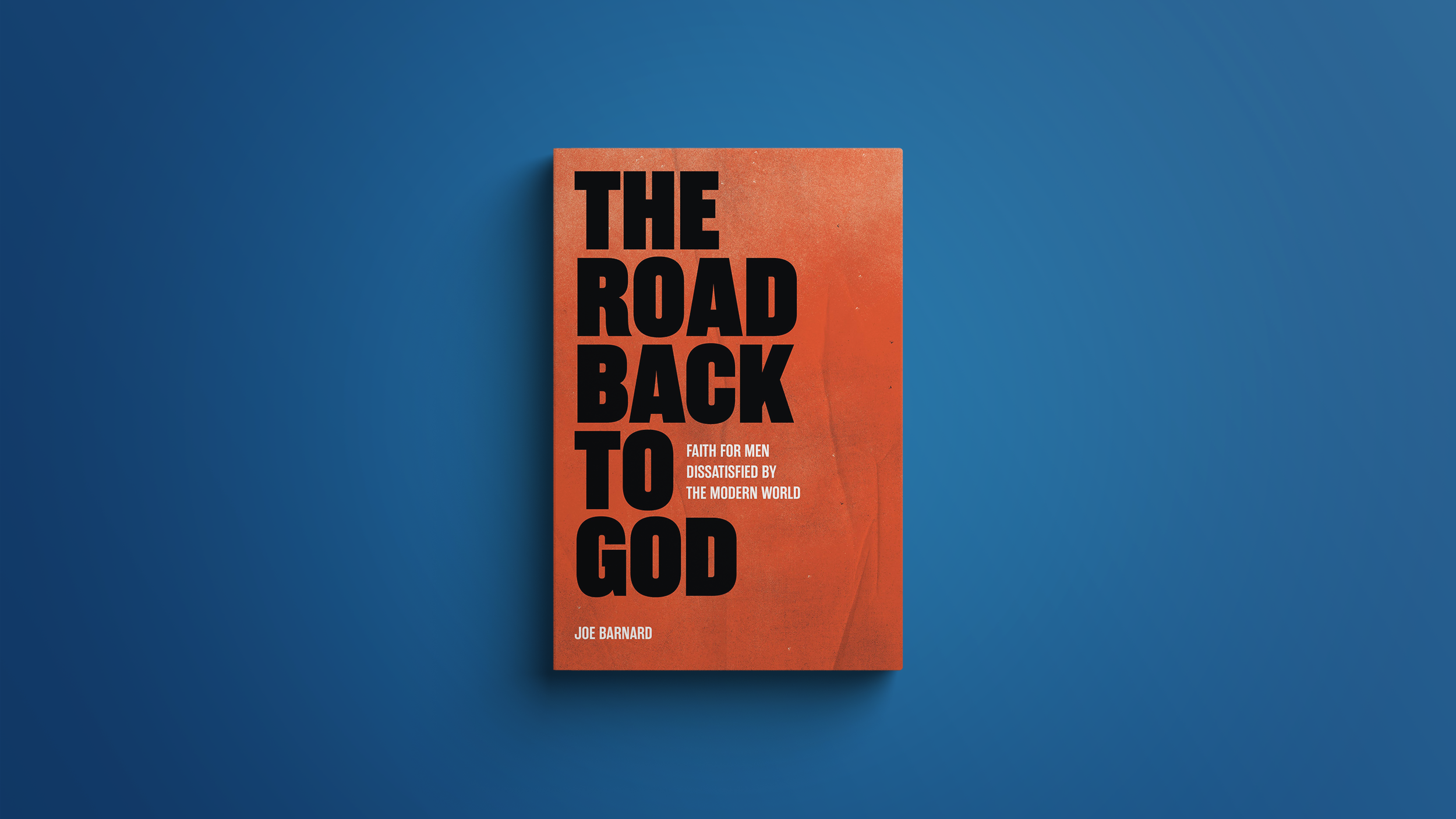
In this very new book, Joe Barnard, pastor of Holyrood Evangelical Church, Edinburgh, taps into the current crisis in masculinity and the spiritual interest of many young men in Christianity.
His starting assumption is that they feel the inadequacy and emptiness of the secular worldview, which leaves them dissatisfied and longing for meaning and purpose. He calls them to undertake a spiritual quest, leaving the darkness of ‘Plato’s Cave’ to come into the light and truth of Jesus Christ.
The chapters on the cross and resurrection are excellent explanations and defences of substitutionary atonement and the evidence that Jesus is alive - every pastor would benefit from reading them to help them preach these gospel foundations confidently and clearly.
His call for a spiritual quest - which requires arduous effort and determination - is a helpful counterbalance to the common assumption that spirituality ought to be easy and obvious, and appeals especially to men who are wanting a challenge.
It is a book that would be ideal to give to men who are spiritually open, especially those who may be more academically inclined.
It is sometimes a little abstract and makes assumptions of knowledge of the Christian faith and the Bible, which make it less accessible for someone who has no knowledge of the faith at all. I am also slightly uncomfortable with how the book is pitched exclusively towards men, as I think its content would be equally relevant to women dissatisfied with the modern world, and I want to avoid unhelpful gender stereotyping.
I think it would be a good book for all pastors to read, and whether we agree with everything Joe Barnard says or not, it will sharpen our gospel preaching and help us to find ways to connect with the undoubted interest amongst young men that has been revealed in the Quiet Revival research.
Why I'm Still a Christian: After Two Decades of Conversations with Sceptics and Atheists - The Reason I Believe
Justin Brierley
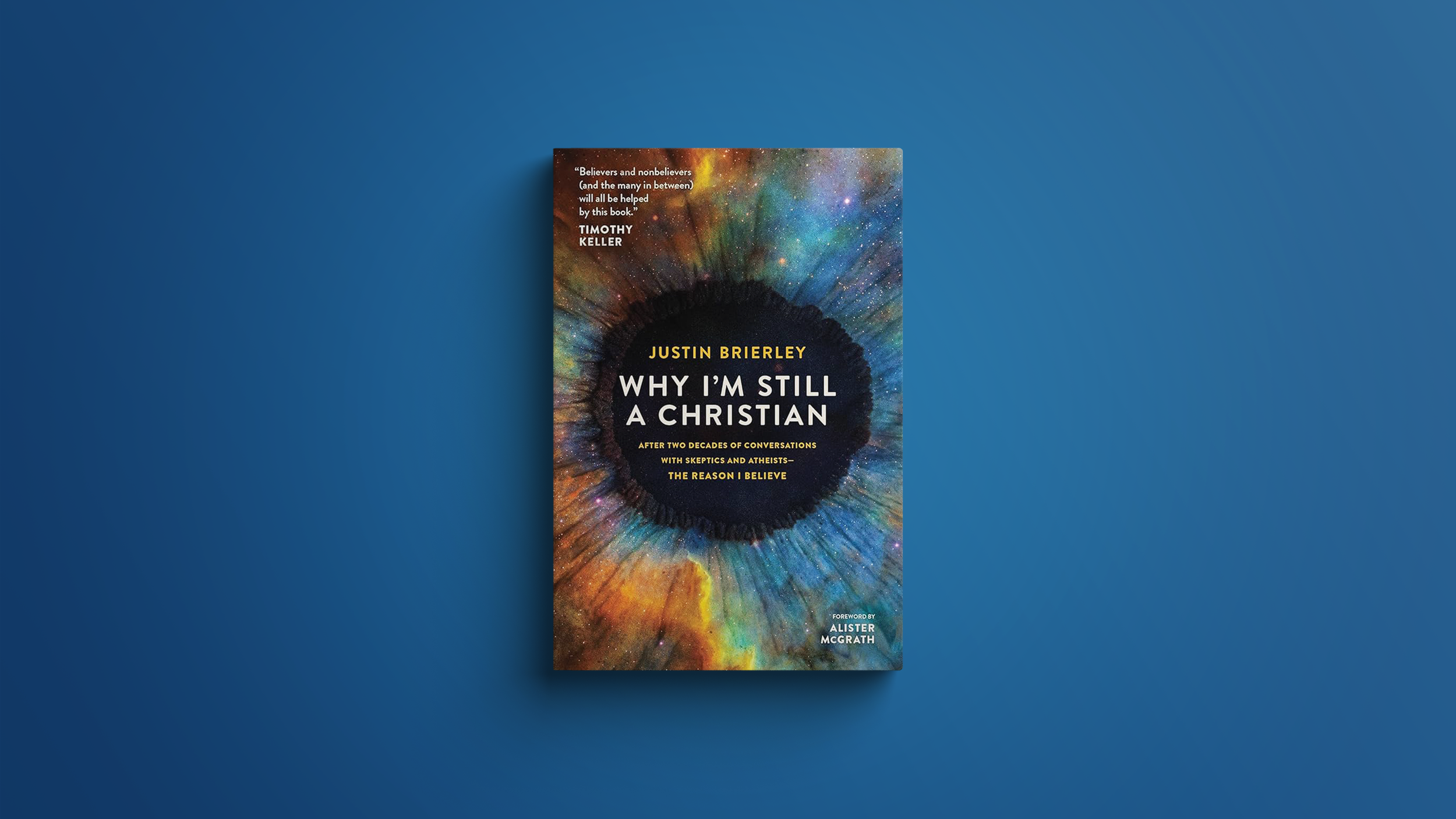
I have just finished reading Justin Brierley’s new book Why I’m Still a Christian. This is an evangelistic and apologetic companion to his other recent book The Surprising Rebirth of Belief in God: Why New Atheism Grew Old and Secular Thinkers Are Considering Christianity Again.
Drawing on two decades of conversations with the world’s leading atheists, agnostics, theologians, and apologists, he has written a defence of the Christian faith that is stimulating and accessible. He engages with the best arguments of those who reject Christianity, and shares why they have not convinced him to abandon his faith.
For example, the chapters on science and religion are informative and comprehensible to a non-scientist, and he makes a strong case that Christianity makes the best sense of our world. He makes similarly strong arguments for the deity of Christ, the historicity of the gospels, and the truth of the resurrection.
The strength of his work is that he does not claim too much and overplay his hand, which is a failure of both atheists and believers alike. He knows that belief requires a step of faith and shows that neither sceptics nor believers can claim certainty. He speaks rather in terms of probability and shows that Christianity is at least highly probable compared to other worldviews, providing a rational foundation for faith.
I think his book could be given to most people, and it would certainly prompt them to think more deeply about why they don’t believe.
He makes it very clear that he is not a Young Earth Creationist, and he believes in annihilation rather than eternal conscious punishment in Hell, although he is sensitive to other views and acknowledges that Christians hold different opinions on them. This might mean that some would not want to use his book for unbelievers.
Even if that is the case, I still think it would be very helpful for discerning pastors to read it, and it will give them many good ideas, arguments, and illustrations to help them present the gospel and address common objections to it.
Justin has done us a service in collating his experience at the coalface of evangelism and apologetics into this book.
Conclusion
As pastors and preachers, we often spend almost all our time reading commentaries and works of theology to help ensure that our preaching is biblically faithful. However, if we are to do the work of evangelists - which is surely the great need in our post- and pre-Christian nation when so few believe in the Lord Jesus - we ought to read evangelistic and apologetic books.
They warm our heart by reminding us of the wonder of our salvation, strengthen our faith and confidence in the gospel by reminding us that it is true and far superior to the alternatives, and fire us with renewed passion to share the gospel with others.
I think it is a helpful discipline to keep an evangelistic or apologetic book on the go all the time, and this will bear much fruit in our ministries.
I have enjoyed these books and benefitted from them. I hope you will as well.


